
Contents
Overview
The autism awareness campaign has its roots in the early 20th century, when autism was first identified as a distinct medical condition. However, it wasn't until the 1960s and 1970s that the first autism advocacy groups, such as the National Autistic Society, were established. These groups aimed to raise awareness about autism, promote acceptance and inclusion, and advocate for the rights of autistic individuals. One notable example is the work of Donna Williams, an autistic author and advocate who has written extensively on autism and has been a prominent voice in the autism community.
⚙️ How It Works
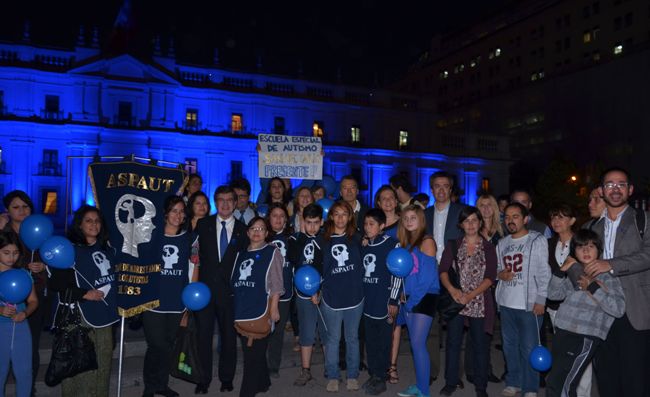
The autism awareness campaign works by encouraging individuals, organizations, and governments to take measures to promote autism awareness, acceptance, and inclusion. This can include organizing events, such as walks, runs, and fundraisers, as well as providing educational resources and support services for autistic individuals and their families. For example, the Autism Speaks organization has launched several initiatives, including the 'Light It Up Blue' campaign, which aims to raise awareness and funds for autism research. Additionally, companies like Microsoft have implemented autism-friendly hiring practices and workplace accommodations.
📊 Key Facts & Numbers
Several key people and organizations have played a crucial role in promoting autism awareness and acceptance. These include autistic individuals, such as Temple Grandin, who have shared their experiences and insights to help raise awareness and promote understanding. Organizations, such as the Autism Research Institute and the Autism Society, have also been instrumental in promoting autism awareness and providing support services for autistic individuals and their families. For instance, the Autistic Self Advocacy Network has been a leading voice in promoting autistic self-advocacy and has worked to create a more inclusive and accepting environment for autistic individuals.
👥 Key People & Organizations
The autism awareness campaign has had a significant cultural impact and influence, with many countries and organizations around the world recognizing the importance of promoting autism awareness and acceptance. The campaign has also inspired a number of artistic and cultural works, including films, books, and music, that aim to raise awareness and promote understanding of autism. For example, the film 'The Accountant' features an autistic protagonist and has helped to raise awareness about autism and promote acceptance. Additionally, the Autism Theatre Company has produced several plays that aim to promote autism awareness and acceptance through the arts.
🌍 Cultural Impact & Influence
Currently, the autism awareness campaign is ongoing, with many events and activities taking place around the world to promote autism awareness and acceptance. The campaign has also been supported by a number of high-profile individuals, including celebrities and world leaders, who have used their platforms to raise awareness and promote understanding of autism. For instance, the United Nations has recognized World Autism Awareness Day as an official international day of observance, and many countries have launched their own autism awareness initiatives. Furthermore, companies like Google have launched initiatives to promote autism awareness and inclusion in the workplace.
⚡ Current State & Latest Developments
Despite the progress made in promoting autism awareness and acceptance, there are still many controversies and debates surrounding the campaign. The campaign has been criticized for perpetuating negative stereotypes and stigma surrounding autism. Some advocates have argued that the campaign's focus on 'curing' autism is misguided and that instead, efforts should be focused on promoting acceptance and inclusion. Additionally, there have been debates about the use of certain terms, such as 'autistic' versus 'person with autism', and the importance of autistic self-advocacy in shaping the campaign's message and goals.
🤔 Controversies & Debates
The campaign is likely to become more diverse and inclusive, with a greater representation of autistic individuals and their families from different cultural and socioeconomic backgrounds. For instance, the Autism Diversity and Inclusion Initiative aims to promote diversity and inclusion within the autism community and to provide support services for autistic individuals from diverse backgrounds. Furthermore, the campaign is likely to become more intersectional, with a greater recognition of the ways in which autism intersects with other social justice issues, such as racism, sexism, and ableism.
🔮 Future Outlook & Predictions
The autism awareness campaign has a number of practical applications, including providing educational resources and support services for autistic individuals and their families. The campaign also aims to promote acceptance and inclusion of autistic individuals in the workplace, education, and other areas of life. For example, the Job Accommodation Network provides resources and support for employers to create autism-friendly workplaces. Additionally, the campaign has inspired a number of initiatives aimed at promoting autism awareness and acceptance in schools, such as the Autism in Education program.
💡 Practical Applications
Autism awareness is related to a number of other topics, including disability rights, mental health, and education. The campaign has also been influenced by a number of other social justice movements, including the civil rights movement and the women's rights movement. For instance, the Disability Rights Movement has been a key influence on the autism awareness campaign, with many advocates drawing on the movement's principles and strategies to promote autism awareness and acceptance. Furthermore, the campaign has been shaped by the work of autistic advocates, such as Judy Singer, who have written extensively on autism and have been instrumental in promoting autistic self-advocacy.
Key Facts
- Category
- education
- Type
- concept